
Surfaces That Handle Georgia Weather
Exterior Painting in Columbus for homes with fading, peeling, or weathered siding and trim
Exterior coatings fail when Georgia humidity traps moisture behind paint films, when inadequate surface preparation leaves contaminants that prevent adhesion, or when previous applications used interior-grade products that break down under UV exposure and temperature cycling. You see peeling near ground level where splash-back keeps wood damp, chalking on southern exposures where sunlight degrades binder resins, and bare wood showing through on trim pieces that shed paint within months of application. J & G Home Renovations, Inc handles exterior house painting, trim and accent painting, and siding painting in Columbus, focusing on surface preparation and coating selection that address the specific failure patterns Georgia climates create.
Surface preparation removes loose material through scraping and sanding, addresses mildew with appropriate treatments, and primes bare wood or previously painted surfaces based on existing coating condition and substrate porosity. Exterior painting uses acrylic latex formulations that remain flexible through temperature changes, breathe to release trapped moisture, and contain UV inhibitors that slow color fading on intense sun exposures. Trim and accent painting employs semi-gloss or gloss finishes that shed water more effectively than flat coatings, while siding receives satin or flat finishes that hide minor surface irregularities.
Arrange a property assessment to identify preparation requirements and coating systems suited to your siding material and exposure conditions.
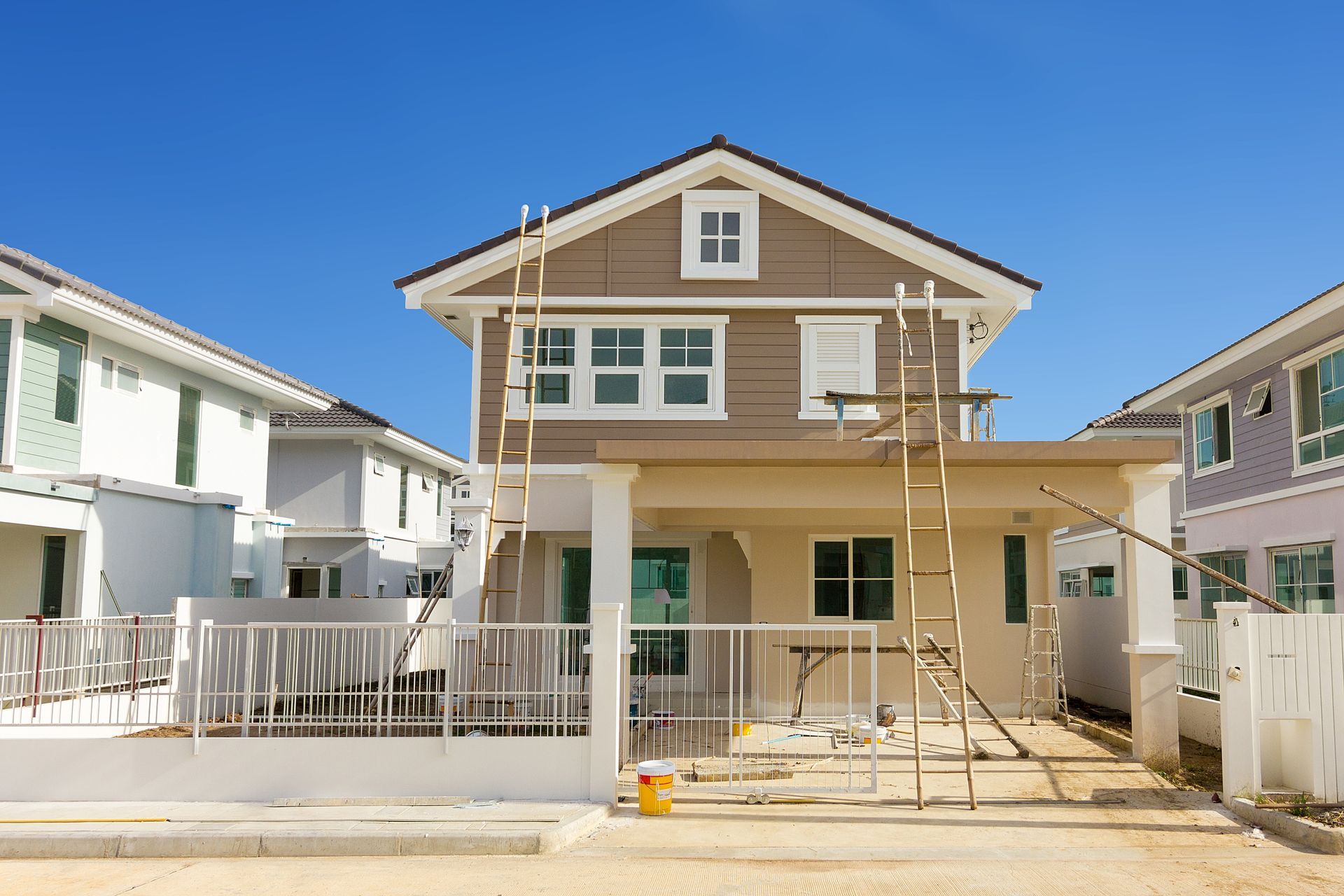
How Exterior Painting Addresses Weather Damage
Proper exterior painting involves washing surfaces to remove dirt and mildew, scraping and sanding to eliminate loose coatings, caulking gaps where water penetrates behind trim, priming bare wood and stained areas with stain-blocking formulations, and applying finish coats in appropriate weather windows when temperature and humidity allow proper curing. Each step prevents specific failure modes: washing removes contaminants that cause adhesion loss, priming seals porous substrates that otherwise absorb finish coats unevenly, and caulking stops water intrusion that rots wood beneath intact paint films.
Once painting completes, you notice uniform color across all surfaces without the streaking or fading that appeared in previous applications, clean trim lines where accent colors meet siding, and sealed joints that no longer allow water staining on interior walls below exterior penetrations. Properly applied exterior coatings resist peeling for seven to ten years on siding and five to seven years on trim, depending on exposure severity and maintenance. Wood surfaces remain protected from moisture absorption that causes swelling, cracking, and rot in uncoated or failed areas.
Exterior painting includes all surface preparation, priming, finish coating, and cleanup, but does not include repairs to rotted wood, replacement of damaged siding, or correction of underlying moisture problems that require carpentry or drainage work before painting can succeed. Color selection involves choosing from manufacturer palettes that offer proven exterior durability rather than custom matches that may not perform in outdoor conditions.
Common Questions About This Service
Property owners preparing for exterior painting projects typically want to know about timing, surface preparation depth, and how coatings perform across different siding materials common in Columbus homes.
What weather conditions allow exterior painting in Columbus?
Painting requires temperatures above fifty degrees with humidity below eighty-five percent and no rain forecast for twenty-four hours after application, conditions that occur reliably from March through November but require careful scheduling during summer afternoon thunderstorm season.
Why does paint peel near the ground on many homes?
Ground-level peeling occurs when splash-back from rain or irrigation keeps lower siding sections damp, preventing paint films from adhering properly and creating conditions where moisture trapped behind coatings forces them to lift and separate from wood substrates.
How much surface preparation does exterior painting involve?
Preparation varies from light washing and spot priming on recently painted surfaces in good condition to extensive scraping, wood replacement, and full priming on homes where previous coatings have failed across large areas or where wood damage requires repair before painting.
What finish types work best for different exterior surfaces?
Siding typically receives satin or flat finishes that hide surface imperfections and reduce glare, while trim, doors, and shutters use semi-gloss or gloss finishes that shed water more effectively and clean more easily than flat coatings.
How long should quality exterior paint last in Georgia?
Acrylic latex coatings applied over properly prepared surfaces last seven to ten years on protected siding, five to seven years on trim with direct sun exposure, and three to five years on horizontal surfaces like porch floors and railings that endure standing water and foot traffic.
J & G Home Renovations, Inc completes exterior
painting projects throughout Cataula where existing coatings show failure or where color updates improve property appearance. Schedule an estimate to review surface conditions and establish preparation scope for your exterior painting needs.